Fire and rescue services
Call 999.
Medical emergencies
Call 999.
Police
Call 999.


Call 999.
Call 999.
Call 999.
Exercise a high degree of caution in the UK due to the threat of terrorism.
Full travel advice: Safety
Full travel advice: Health
Full travel advice: Local laws
Full travel advice: Travel
Full travel advice: Local contacts
Terrorism is a threat worldwide. Terrorist attacks could occur anywhere and at any time. Be alert to possible threats, especially in public places.
The overall UK terrorism threat level is currently 'severe' (level 4 of 5), meaning an attack is highly likely. Terrorist attacks have occurred in the UK. UK authorities have installed security barriers on London’s major bridges and locations throughout the UK.
If there’s a terrorist incident, leave the area if it’s safe to do so and follow the instructions of local authorities.
More information:
Public protests and events that draw large crowds can turn violent and escalate into riots.
Tensions can rise from April to August, worsening in the weeks leading up to 12 July, also known as the 'Twelfth' or 'Orangemen's Day'.
There's also a risk of isolated violence by dissident groups, focused primarily on police and military targets.
Stay away from large crowds, check media for updates and follow the instructions of authorities.
More information:
Petty crime is common across the UK. This includes pickpocketing, theft of passports and items from cars. Mobile phone and bag snatching is on the rise and can happen at any location, particularly in central London. Thieves use scooters and bicycles to snatch belongings. Keep your belongings safe when you're in crowds, on public transport or at popular landmarks.
Robberies could also lead to identity theft. If you think you've been the victim of identity crime, report it to local police.
Violent crimes such as muggings, knife crime and sexual assaults occur across the UK.
To stay safe:
More information:
The UK experiences extreme weather, including:
Expect transport disruptions during these weather events.
Monitor local weather reports. Follow the advice of local authorities.
Register with the Global Disaster Alert and Coordination System to receive alerts on major disasters.
If you need counselling, the Samaritans provide private phone support. You can call 116 123 (UK free call) 24 hours a day, 365 days a year.
For specific information on bringing medication into the UK, read the UK Home Office website.
Health risks are broadly similar to Australia.
We don't provide a comprehensive list of health risks, diseases or outbreaks for every destination. Before you travel, check the latest health advice from the Australian Centre for Disease Control (CDC) and the World Health Organization (WHO).
Ask your doctor about health risks and vaccines before you go.
More Information:
The standard of medical facilities is similar to Australia.
Call the National Health Service (NHS) on 111 to find your nearest GP surgery or hospital.
If you need urgent medical care, go to your nearest hospital.
Australia and the UK have a Reciprocal Health Care Agreement (RHCA). Some medical treatment is free if you're in the UK for a short visit.
The NHS won't cover the cost of a medical evacuation, which can be very expensive. Get comprehensive travel insurance before you leave Australia, including for stopovers on the way to the UK.
Check the Services Australia website to see what's covered. You need to prove you're from Australia and eligible for Medicare to receive care under the health agreement.
If you stay for over 6 months, you'll pay an Immigration Health Surcharge, which will be charged when you apply for your visa.
Your details will be shared with the NHS when your visa is approved, allowing you access to medical care.
When you access healthcare in the UK, you may need to:
There may be delays in accessing medical treatment through the NHS.
Penalties for possessing, using or trafficking illegal drugs are severe. They include imprisonment and fines.
More information:
The UK recognises dual nationality.
If you’re a dual national with Australian-British or Australian-Irish nationality travelling to the UK, you will need to prove your citizenship for entry into the UK using:
As a temporary measure, carriers (such as airlines or ferry companies) may accept certain alternative documentation to enable Australian-British citizens without a valid British passport to travel to the UK.
For assistance with dual nationality contact the UK Home Office.
More information:
Make sure you meet all entry and exit conditions. The Australian government can't help you if you don't.
If you're travelling to the UK, seek guidance from the UK's Visa and Immigration Service on entry requirements.
If you plan to visit the UK for less than 6 months as a tourist or to transit, you will need an Electronic Travel Authorisation (ETA).
If you plan to stay longer than 6 months or for reasons other than tourism, you'll likely require a visa. You'll need a visa if you plan to do paid or unpaid work, volunteer or get married. Arrange this before you travel.
Dual Australian-British or Australian-Irish citizens are not eligible to apply for an ETA and may not be able to board a flight to the UK without a valid document. Check the UK's Visa and Immigration Service entry requirements for dual citizens for details on entry requirements.
Australian-British or Australian-Irish dual citizens are required to enter the UK on their British or Irish passport, or through a certificate of entitlement in another valid passport. These dual citizens are not able to be issued an ETA or other visa to enter the UK. The UK Government started enforcing these requirements from 25 February 2026.
As a temporary measure for dual Australian-British nationals who do not have a valid British passport, carriers (such as airlines or ferry companies) may allow travel if you have an expired British passport, issued in 1989 or later, and a valid Australian passport. The personal details on both passports must match. You may be asked to complete additional identity checks on arrival to verify your citizenship. You should contact your carrier before you travel to confirm whether these documents will be accepted for travel to the UK.
Dual Australian-British nationals who have previously had a British passport can apply for an emergency travel document if they need to urgently enter the UK.
The UK can refuse you entry without a visa, ETA, or evidence of British or Irish dual citizenship. Allow ample time before departure to ensure you have a valid document to enter the UK.
Entry and exit conditions can change at short notice.
Contact the UK High Commission for details about visas, currency and customs. For assistance with dual nationality, contact the UK Home Office. Australian Government officials can't help you change your UK visa status, expedite a UK passport or visa application, or facilitate your entry into the UK.
More information:
An ETA permits multiple visits to the UK for stays of up to 6 months at a time over 2 years or until the holder's passport expires, whichever is sooner.
An ETA does not guarantee entry to the UK.
More Information:
UK Visas and Immigration now issues eVisas rather than physical documents. eVisas have replaced the following physical documents:
More information:
Travellers have been scammed by private online visa services and travel agents.
Only apply for your visa through the visas and immigration website.
You can usually use eGates on arrival in the UK (free of charge) if you:
You don't need to complete a landing card.
Read the Guide to faster travel through the UK border, as these requirements can change at short notice.
UK airports have extensive security screening. Allow extra time if you're flying to or transiting through the UK. Check UK Department of Transport for details.
Check the UK's hand luggage rules.
Contact your airline or travel provider for more details.
The UK provides updated guidance on the implications of Brexit for issues such as travel, residency, education and employment. The latest information can be found on the UK Government website.
The official currency is the Pound Sterling (GBP).
ATMs are available, and credit cards are widely used. Contactless payment is widely accepted.
There are rules about how much cash you must declare upon arrival or departure from the UK. These may differ between Great Britain (England, Scotland and Wales) and Northern Ireland. This covers all forms of currency (i.e., bearer bonds, prepaid cards, gold coins, bullion or nuggets, cheques, and travellers’ cheques), not just cash.
You may have to pay a penalty if you don't declare this cash.
More information:
Regular strikes can occur across several industries, including ambulance services, hospitals and public transport. For the latest service updates, check the National Rail or Transport for London websites.
You can drive a car or motorbike for up to 12 months using your full Australian licence. An International Driving Permit isn't required. After 12 months, you'll need to get a UK driver's licence.
If riding a motorcycle, always wear a helmet.
Some people have reported sexual assaults and robberies in unlicensed taxis. Only use officially marked taxis.
Check the UK's air safety air profile with the Aviation Safety Network.
More information:
Depending on what you need, contact your:
Call 999.
Call 999.
Call 999.
Always get a police report when reporting a crime.
Your insurer should have a 24-hour emergency number.
For criminal issues that aren't an emergency:
The Australian Government aims to provide high-quality consular assistance. There are limits to what we can do. Read the Consular Services Charter to understand how we can assist you overseas.
Australia House
Strand
London WC 2B 4LA, United Kingdom
Phone: +44 20 7379 4334
Website: uk.highcommission.gov.au
Facebook: Australian High Commission in the United Kingdom
X: @AusHouseLondon and @AusHCUK
Check the High Commission website for details about opening hours and any temporary closures.
In a consular emergency, if you can't contact the High Commission, call the 24-hour Consular Emergency Centre on:
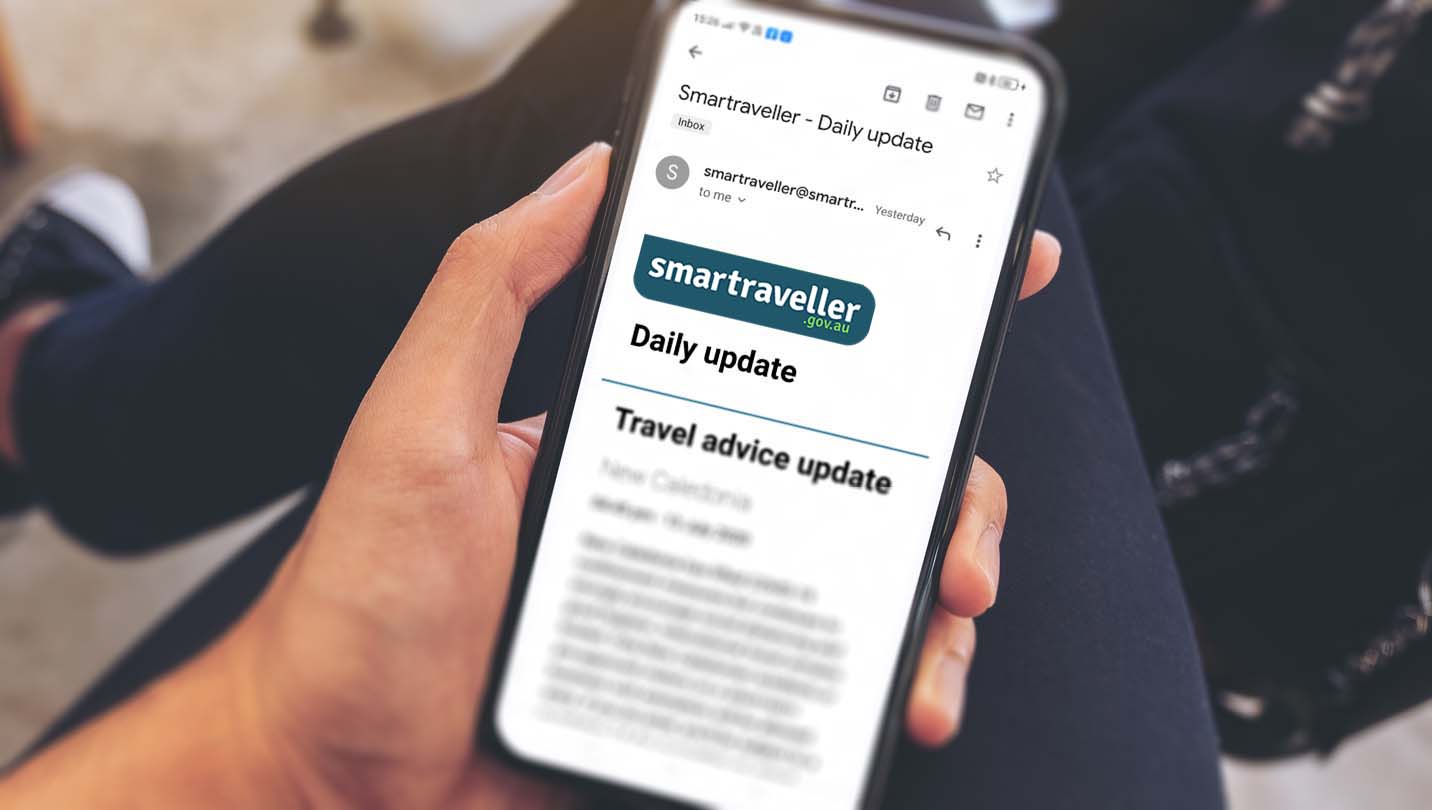
Be the first to know official government advice when travelling.