Emergency services
Call 999.
Fire and rescue services
Call 996.
Medical emergencies
Call Rarotonga Hospital on 22 664 or email MOHsupport@cookislands.gov.ck
Police
Call 22 499 or email enquiries@police.gov.ck


Call 999.
Call 996.
Call Rarotonga Hospital on 22 664 or email MOHsupport@cookislands.gov.ck
Call 22 499 or email enquiries@police.gov.ck
Exercise normal safety precautions in the Cook Islands.
Exercise normal safety precautions in the Cook Islands.
Full travel advice: Safety
Full travel advice: Health
Full travel advice: Local laws
Full travel advice: Travel
Full travel advice: Local contacts
The crime rate is low in the Cook Islands. Most crime is opportunistic, however, sometimes thieves target travellers. Watch your belongings.
Thieves may target items:
Occasionally, travellers are assaulted. Look out for suspicious behaviour.
Terrorism is a threat worldwide. Terrorist attacks could occur anywhere and at any time. Be alert to possible threats, especially in public places.
More information:
Transport and tour operators don't always follow safety and maintenance standards. This includes:
If you plan to do an adventure activity:
If proper safety equipment isn't available, use another provider.
Strong rips can occur where there is a break in the reef. Swimmers have died because of strong tides and powerful lagoon currents.
Ask local residents and tour operators about safe swimming and water sports areas.
There are no lifeguards on beaches.
Be aware of local wildlife.
Dogs are common in Rarotonga. Some are aggressive, travel in packs and have bitten people. If you're bitten or scratched, seek medical help immediately.
Be mindful of dogs when walking, cycling or running. Don't approach, touch or feed them.
Be aware when driving, wandering animals are common on the roads.
The Cook Islands experiences natural disasters and severe weather, such as:
If there's a natural disaster or warning:
If you're travelling after a natural disaster, contact your tour operator or airline to find out if services are affected.
Cyclone season is from November to April. Tropical storms and cyclones can happen in any month.
The direction and strength of cyclones can change suddenly.
Tropical storms and cyclones can:
If there's a cyclone or severe tropical storm:
Monitor weather updates and warnings:
If a cyclone is approaching:
More information:
The Cook Islands can experience earthquakes and tsunamis.
Evacuation signs in Rarotonga will direct you if there's a tsunami alert.
If there's an earthquake or a tsunami alert:
There are specific legal requirements that need to be met in order to bring into the Cook Islands a personal supply of a Controlled Drug (for example medicines for ADHD such as methylphenidate or strong pain medicines, such as codeine or morphine). For more information or to check details for specific medicines refer to the Ministry of Health website.
Insect-borne disease outbreaks can occur in Cook Islands. The Cook Islands Ministry of Health monitors dengue and other insect-borne outbreaks. Protect yourself against mosquito bites and use insect repellent.
Cases of disease spread by mosquitoes include:
Serious outbreaks sometimes occur.
To protect yourself from disease:
If you're pregnant, discuss travel plans and health risks with your doctor before you travel.
More information:
Waterborne, foodborne, parasitic and other infectious diseases are found in the Cook Islands.
To protect yourself from illness:
Get medical advice if you suspect food poisoning or have a fever or diarrhoea.
Medical facilities are limited, especially on outer islands.
Treatment can be expensive. Hospitals and medical facilities may ask for payment before treating you.
You may need to be evacuated to New Zealand or Australia if you become seriously ill or injured. Medical evacuation can be very expensive.
Cook Islanders who hold an Australian Passport but don't hold a New Zealand passport, don't qualify for urgent patient referrals (medical evacuations) to New Zealand. Ensure your travel insurance provides appropriate cover for your situation.
No hyperbaric or decompression chambers are available. If you need to be treated for decompression sickness, you'll be evacuated to the nearest treatment centre in either Tahiti or New Zealand.
Registered dive companies carry basic treatment equipment to meet Professional Association of Diving Instructors (PADI) standards.
More information:
Penalties for carrying or using even small amounts of illegal drugs are severe. They may include fines and prison sentences.
More information:
The Cook Islands has banned the sale or importation of imitation tobacco products, including vapes/e-cigarettes. Visitors over the age of 21 are allowed to bring one e-imitation tobacco device and up to 30 millilitres of e-liquid. Visitors must make sure the device and any remaining liquid is taken with them when they depart from the Cook Islands or is surrendered to the Ministry of Health. Refer to the Ministry of Health for more information.
More information:
Standards of dress and behaviour are modest.
Be careful not to offend, especially outside resort areas, when visiting towns, villages and the outer islands.
Visitors are welcome to attend Sunday services, observing modest attire of shirts and long trousers for men and longer-length skirts or dresses for women, preferably with covered shoulders.
Ask for local advice if you're unsure of any customs.
Authorities will issue you a visa on arrival, generally a 31-day visitor visa. On application you may visit up to 8 months in total. Contact the Cook Islands Ministry of Foreign Affairs and Immigration for the latest details and fees.
To enter the Cook Islands, you'll need to show proof of:
In other situations, you'll need a visa.
Entry and exit conditions can change at short notice.
If you have a criminal conviction, contact the Cook Islands Ministry of Foreign Affairs and Immigration ahead of your intended travel. Immigration Cook Islands will review cases with external agencies. Failure to declare could impact travel in the future.
Cook Islands has 2 official currencies:
Cook Islands dollars can only be exchanged in the Cook Islands.
The bank at the airport can change currency.
Most shops and hotels accept credit cards.
ATMs are limited outside Rarotonga and Aitutaki.
Before you leave Australia, ask your bank if your cards will work overseas.
You can use a valid Australian driver's licence for up to 6 months (digital driver's licences may not be accepted).
You can only drive vehicles covered by your licence. For example, with an Australian car licence you can drive a car but not a motor scooter.
If you're staying longer than 6 months, you can get a Cook Islands driver's licence from the Cook Islands Police Department in Rarotonga.
Driving can be dangerous, particularly at night.
Hazards include poorly maintained roads, line markings, street lighting and stray animals.
If you plan to drive in the Cook Islands, check local traffic laws and practices.
More information:
Motorcyclists are hospitalised after many traffic accidents.
You can get a temporary motorbike or motor scooter licence in the Cook Islands. To apply, you must:
Queues can be long. Be prepared to wait.
Always wear a helmet.
If you don't follow the local laws, your insurance policy may not cover you.
If you want to ride a motorbike:
Only use registered taxis, arrange one through your hotel or resort.
Limited buses are available on Rarotonga.
Public transport is limited on other islands.
Travelling by boat can be dangerous.
To reduce your risk on boats:
More information:
Depending on what you need, contact your:
Call 999.
Call 996.
Call Rarotonga Hospital on 22 664 or email MOHsupport@cookislands.gov.ck
Call 22 499 or email enquiries@police.gov.ck
Always get a police report when you report a crime.
Your insurer should have a 24-hour emergency number.
The Australian Government aims to provide high quality consular assistance. There are limits to what we can do. Read the Consular Services Charter to understand how we can assist you overseas.
For consular assistance, contact the Australian High Commission in Rarotonga.
Philatelic Building
Takuvaine Road
Avarua, Rarotonga
Phone: +682 22223
Email: ahcrarotonga@dfat.gov.au
Website: cookislands.highcommission.gov.au
Facebook: Australian High Commission, Cook Islands
Check the High Commission's website for details about opening hours and any temporary closures.
In a consular emergency, if you can't contact the High Commission, call the 24-hour Consular Emergency Centre on:
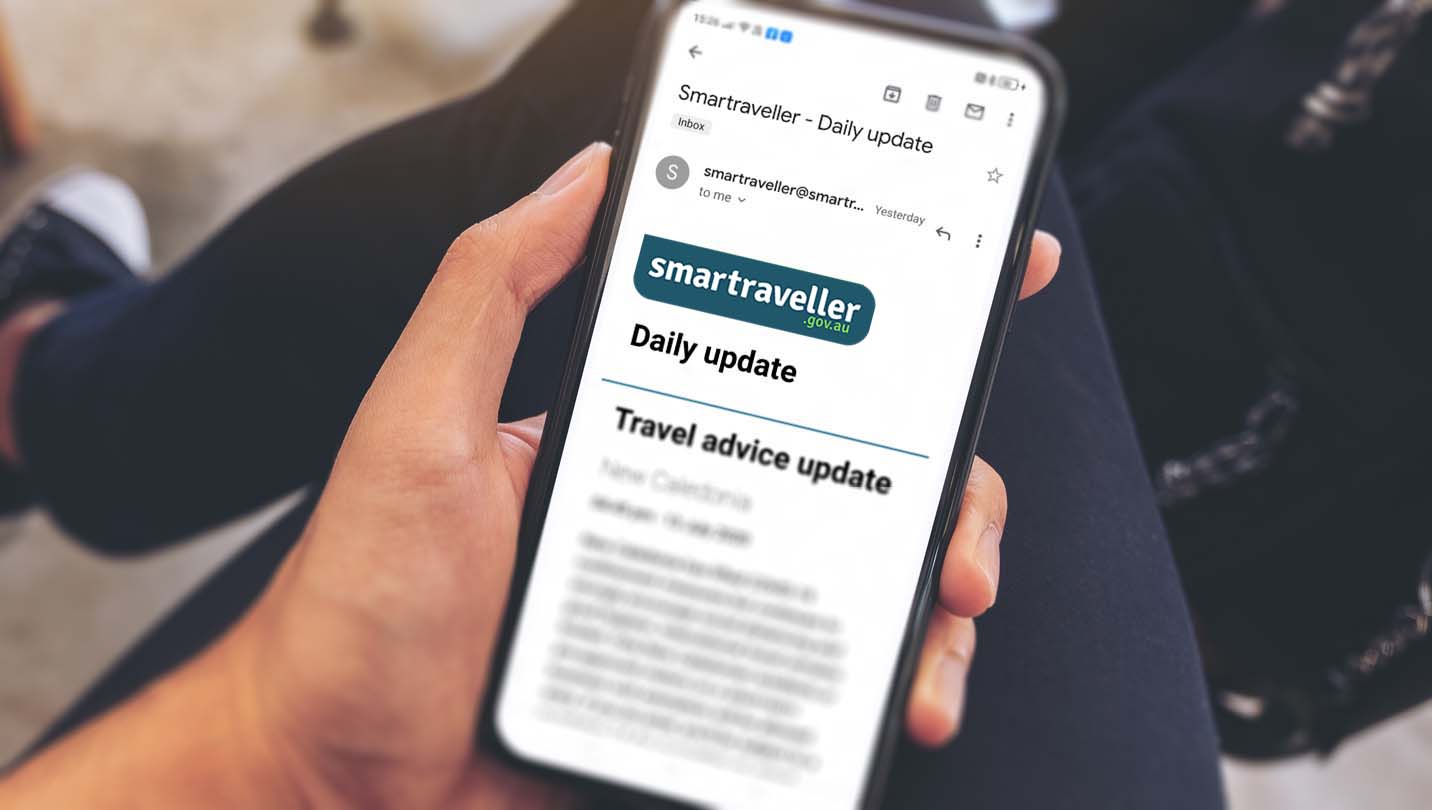
Be the first to know official government advice when travelling.