Fire and rescue services
Call 112.
Medical emergencies
Call 112.
Police
Call 112.


Call 112.
Call 112.
Call 112.
Exercise normal safety precautions in the Netherlands.
Full travel advice: Safety
Full travel advice: Health
Full travel advice: Local laws
Full travel advice: Travel
Full travel advice: Local contacts
Terrorism is a threat worldwide. Terrorist attacks could occur anywhere and at any time. Be alert to possible threats, especially in public places.
The national terrorism threat level remains at level 4 'substantial', meaning there's a realistic possibility of an attack.
Tourist areas, public transport and transport hubs are possible targets.
Terrorist attacks happen across Europe. Targets may include:
European security services have also stopped some planned attacks.
To protect yourself from terrorism:
If there’s a terrorist incident, leave the area if it’s safe to do so and follow the instructions of local authorities.
More information:
Petty crime can occur, including phone snatching, pickpocketing and theft from unattended bags and vehicles. Bags and personal items, including passports, can be stolen on public transport and in urban and tourist areas.
Incidents of petty crime, especially passport and wallet theft, are common on trains operating between Amsterdam, Brussels, and Paris.
To stay safe from crime:
More information:
Kidnapping can happen anywhere, anytime, including in destinations that are typically at lower risk.
The Australian Government’s longstanding policy is that it doesn’t make payments or concessions to kidnappers.
More information:
Civil unrest is rare, and protests are generally peaceful. However, public protests and events that draw large groups of people can turn violent.
Avoid demonstrations and follow the advice of local authorities.
More information:
Severe weather can affect your travel overseas. Monitor local media for updates.
If you're visiting an area recently affected by severe weather:
Register with the Global Disaster Alert and Coordination System to receive alerts on major disasters.
Doctors are less likely to prescribe antibiotics and other medications compared to what you may be accustomed to. Cold and flu tablets aren't available.
For specific information on bringing medication into the Netherlands, read the can I take medication into the Netherlands?
Health risks in the Netherlands are similar to those in Australia.
Ask your doctor about health risks and vaccines before you go.
More information
Medical facilities and care standards are similar to those in Australia. Major hospitals are in Amsterdam, Rotterdam, Utrecht and The Hague, and most Doctors and medical professionals speak English. Medical costs are high.
Australia has a reciprocal health care agreement with the Netherlands, meaning you can access urgent or emergency treatment in the public hospital system if you have a valid Medicare card and an A111 Certificate. You can apply for your A111 Certificate of Eligibility when you arrive or before you travel. You should present this certificate or provide a copy to the health service provider if you're receiving emergency care.
The reciprocal health care agreement doesn't:
The minimum age for buying alcohol and tobacco is 18 years.
You can only buy or use marijuana (cannabis) in designated shops if you're a resident of the Netherlands and 18 years or older.
You could face criminal penalties, including fines and jail, if:
Taking drugs will weaken your decision-making ability, putting you at greater risk of violence, robbery or sexual assault.
More information:
Under Dutch law, everyone over 14 years old must carry an ID. You could show either:
Dutch police officers and other authorities can request to see these documents at any time. They may fine you if you can't show your ID.
The Netherlands is part of the Schengen Area, along with many other European countries, meaning you may be able to enter the Netherlands without a visa in some cases. In other situations, you'll need a visa before you travel. You can check if you need a visa on the Dutch government website: NetherlandsWorldwide.
Always carry your passport when crossing borders, in the Schengen area, even by road or rail.
Entry and exit conditions can change at short notice. Contact the nearest Dutch embassy or consulate for details about visas, currency, customs and quarantine rules.
The EU implements temporary border measures from time to time. You can check the status of these measures for EU member states here. The Netherlands has implemented temporary border checks along its land borders with Belgium and Germany.
More information:
Border control authorities may be wary of children travelling with only one parent or guardian. Non-travelling parents can complete a 'Permission to Travel' form to make this easier.
More information:
The currency of the Netherlands is the Euro.
The Netherlands is a member of the EU. If you travel between the Netherlands and any non-EU country, you must declare over 10,000 euros (or equivalent) cash. This covers all forms of currency, not only cash.
You'll need to pay a fine if you don't declare or give the wrong information on entry or exit.
You don't need to declare currency if you're travelling to or from another EU country.
More information:
Carry your passport when crossing borders, even within the Schengen Area. Stay informed about border conditions by checking local news and asking transport providers.
For short visits, you'll need both:
You must be at least 18 years old to drive.
After 185 days, you'll need to apply for a Dutch licence.
Car rental companies may require both documents and digital driver's licences may not be accepted.
Driving without an IDP where one is required can void your travel and vehicle insurance.
You must be at least 21 to hire a car.
More information:
Road conditions are similar to those in Australia, but some basic rules differ.
Drive on the right-hand side and overtake on the left. This is the 'priority to the right' system.
Give way to traffic and cyclists approaching from the right unless otherwise indicated.
Trams, cyclists and mopeds have the right of way.
Get to know the local road rules before you drive or ride a vehicle.
Bicycles are common.
Many roads have bicycle pathways, usually coloured red, between the pedestrian footpath and the roadway, as well as bicycle traffic lights. Don't walk on these pathways. Cyclists travel fast and have the right of way.
Accidents and injuries resulting from collisions between cyclists and pedestrians are common.
Mopeds with a maximum speed of 45km/h must be driven in the street, not on bicycle pathways or dedicated bike lanes.
Both a driver's licence and moped insurance are required.
E-Scooters are illegal.
More information:
Ensure your travel insurance covers you when riding a motorbike, quad bike or similar vehicle.
Always wear a helmet.
Only use licenced, official metered taxis. Licenced taxis have a blue number plate.
Unlicenced taxis are a problem in larger cities, particularly in Amsterdam.
Rideshare options are legal and readily available.
The Netherlands has a well-developed rail transport system between cities and a large tram and bus network in Amsterdam, Rotterdam, Utrecht and The Hague.
Pickpockets operate on intercity and international trains.
Pay close attention to your passport and other valuables when on trains, especially when taking international services to Belgium and France.
Check Home | NS for timetable, routes, and any service disruptions.
Check the Netherlands' air safety profile with the Aviation Safety Network.
More information:
Depending on what you need, contact your:
Call 112.
Call 112.
Call 112.
For non-urgent criminal issues, contact the nearest police station.
Always get a police report when you report a crime.
Your insurer should have a 24-hour emergency number.
The Australian Government aims to provide high quality consular assistance. There are limits to what we can do. Read the Consular Services Charter to understand how we can assist you overseas.
You can get consular help from the Australian Embassy in The Hague.
Carnegielaan 4
2517 KH The Hague
Netherlands
Phone: +31 70 310 8200
Website: netherlands.embassy.gov.au
Facebook: Australia in the Netherlands
X: AusAmbNL
Instagram: AusEmbNL
Check the Embassy website for details about opening hours and any temporary closures.
In a consular emergency, if you can't contact an embassy, call the 24-hour Consular Emergency Centre on:
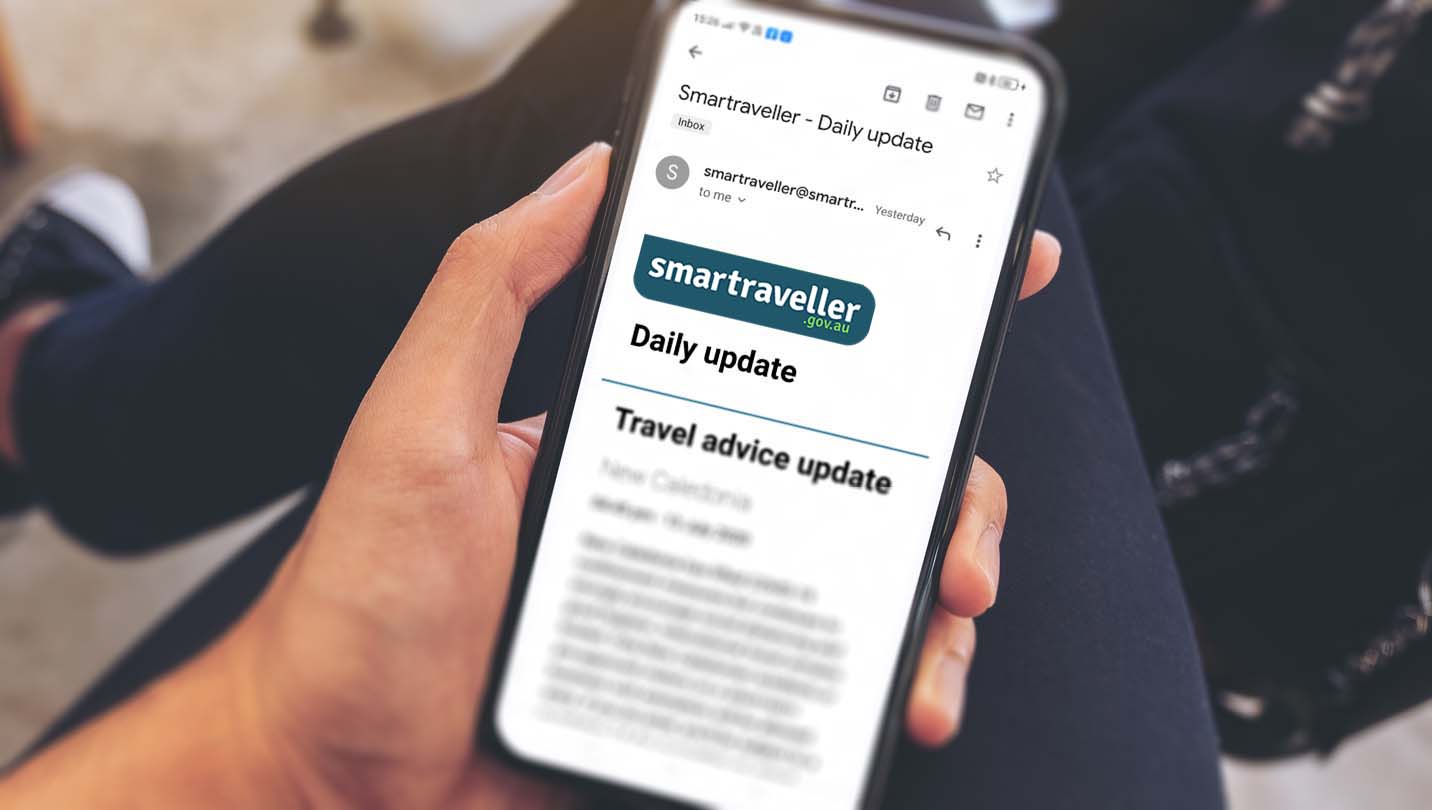
Be the first to know official government advice when travelling.