
General emergency
Call 911.
Fire and rescue services
Call 911.
Medical emergencies
Call 911 or go directly to the hospital.
Police
Call 911.
You can also call the tourist police on 979 0070.


Exercise a high degree of caution in Maldives.
Exercise a high degree of caution in Maldives due to the risk of civil unrest and the threat of terrorism.
Full travel advice: Safety
Full travel advice: Health
Full travel advice: Local laws
Full travel advice: Travel
Full travel advice: Local contacts
Public protests and events that draw large groups of people may occur in greater Malé and inhabited islands, and can turn violent. Avoid affected areas and follow the advice of local authorities.
To stay safe during periods of unrest:
More information:
Terrorism is a threat worldwide.
Terrorism can occur anywhere in Maldives at any time. Possible targets include government institutions and tourist areas.
To reduce your risk of being involved in a terrorist attack:
Since February 2020, there have been terrorist attacks, including a stabbing attack on three foreigners in Hulhumalé, where an Australian was injured. Other incidents include an arson attack on a police speedboat in Laamu Gan in March 2020 and the detonation of an improvised explosive device in Malé in May 2021, which injured a high-profile politician and bystanders.
If there’s a terrorist incident, leave the area if it’s safe to do so and follow the instructions of local authorities.
More information:
Drug-related crime occurs in greater Malé and inhabited islands in Maldives.
Gang-related violence, including knife crime, has increased in urban areas, including greater Malé, and Addu.
There's an ongoing risk of petty crime, including pickpocketing and bag snatching. Be careful of theft in crowds and these locations:
To protect yourself:
Kidnapping can happen anywhere, even in places that seem safe.
The Australian Government's longstanding policy is that it doesn't make payments or concessions to kidnappers.
More information, including advice on how to reduce your risk of kidnapping:
The sea around Maldives can have strong tidal currents and rips, and many tourists drown every year. Safety information may not be available at beaches. Where present, obey lifeguard warnings and take precautions.
Transport and tour operators don't always follow safety and maintenance guidelines and these generally fall below Australian standards. This includes adventure activities, such as scuba diving and water sports.
If you plan to do an adventure activity:
If proper safety equipment isn't available, use another provider.
The monsoon season is usually from mid-May to November. Strong winds, rough seas, torrential rain, and flash flooding can happen.
If there is a natural disaster or severe weather:
Tsunamis can occur. Nearby or distant earthquakes cause these. Know your accommodation's evacuation plan and local evacuation points.
Follow the advice of your resort or local authorities if you:
Don't wait for official warnings, such as alarms or sirens. If possible, move away from the beach to a higher place and check local media regularly.
If you're on a boat at sea during a tsunami, this may be a safe place to remain until further advised.
Register with the Global Disaster Alert and Coordination System to receive alerts on major disasters.
Cannabis-based products such as cannabis oil and cream, hemp, CBD, THC, hash and edibles, including for medicinal purposes, are illegal. A medical prescription does not make it legal. If you take such products to Maldives, buy or use them in Maldives, you can be arrested and face imprisonment, fines, deportation, life imprisonment without parole, or the death penalty.
There's a risk of insect-borne illnesses, including:
If you're pregnant:
To protect yourself from disease:
Serious outbreaks of waterborne, foodborne and other diseases occur, and may include
To protect yourself from illness:
More information:
There’s no agreement between Australia and Maldives for free healthcare. Tourists must pay for all medical care, even if they need to stay in hospital or be evacuated. This can be very expensive. Make sure your travel insurance covers you. The Australian Government won't pay for these costs.
There are three hospitals in greater Malé, in Malé, Hulhumalé and Villimalé. They all offer a range of primary care and specialist services.
Resorts and local islands have smaller health clinics and hospital services. Rescue and emergency services are limited. It can take several hours to reach a hospital from resort islands.
Facilities are limited for scuba-diving injuries. While increasing, there are limited decompression chambers in Maldives. It may take several hours to reach decompression chambers in an emergency. Dive within safety limits.
There are harsh penalties for drug offences. These include heavy fines, lengthy prison sentences, including life sentence without parole, and the death penalty. Do not possess, carry, use or sell illegal drugs.
If you're caught with even a small amount of illegal drugs, you can be charged with drug trafficking.
You may face heavy fines or jail for consuming or possessing even small amounts of drugs, including marijuana or cannabis-based products such as cannabis oil and cream, hemp, CBD, THC, hash and edibles, including for medicinal purposes (read 'Health' for more information).
More information:
The death penalty can apply for serious crimes, such as murder.
It's illegal to:
It's illegal to:
Same-sex relationships are illegal. However, LGBTQIA+ travellers shouldn't encounter any problems in greater Malé and inhabited islands unless there are outward displays of affection.
In greater Malé and inhabited islands, Islamic concepts of modesty are observed. Public displays of same-sex relations aren't accepted.
Resort islands are more tolerant of public displays of same-sex affection.
More information:
Standards of dress and behaviour are conservative in most parts of the country. Islamic concepts of modesty are observed. Take care not to offend. Public displays of affection are generally not welcomed in greater Malé and inhabited islands. Dress modestly in greater Malé and inhabited islands (covering shoulders and knees for women).
Many local islands have a “bikini beach”, where tourists can swim wearing their preferred swimwear. Wear modest swimwear if swimming on a “local” beach. Police may be called to escort people wearing inappropriate swimwear away from local swimming areas.
Standards of dress and behaviour are less restrictive at resorts.
The Islamic holy month of Ramadan is observed. Respect religious and cultural customs especially at this time.
During Ramadan, eating, drinking, and smoking may be illegal in public during the day. If you're not fasting, avoid these activities around people who are. Some restaurants and guesthouses on local islands will provide services for tourists, generally in more private settings. Seek local advice to avoid offence.
Resort islands generally don't need to follow the rules of Ramadan.
Explore our Ramadan page to learn more, including dates for Ramadan.
You can get a free tourist visa on arrival, if you meet all entry requirements. Entry and exit conditions can change at short notice. Contact the Department of Immigration and Emigration of the Republic of Maldives for details about visas, currency, customs, and quarantine rules.
Beware of fake websites requesting payment for visas. The tourist visa is free.
Fines for overstaying your visa are expensive and you won't be able to leave Maldives until the fine is paid.
Airlines may require proof of certain vaccinations to travel. Check requirements with individual airlines before you travel. You must complete a Traveller Declaration form within 96 hours before arrival in Maldives. Your airline may ask for a copy of this declaration.
Tourists must have a confirmed booking at a registered hotel, resort or tourist facility before entering Maldives.
You'll need a valid yellow fever vaccination certificate to enter Maldives if you're coming from a country with a risk of yellow fever. Some airlines may also want to see one when you leave Maldives.
Find out about returning to Australia after exposure to yellow fever.
More information:
The local currency is the Maldivian Rufiyaa (MVR).
You can change money at resorts, though many will accept $US. You can also change money and use ATMs at banks in Malé and many larger islands.
Carry cash if you're travelling to other areas.
Most hotels and major tourist facilities accept credit cards.
Before you travel, ask your bank if your cards will work in Maldives.
Travel between islands is by boat or plane/seaplane.
A permit isn't required to visit a non-resort island.
If you've entered Maldives with a valid visa, you have permission to travel to any part of the country.
To drive in Maldives, you'll need both:
If you drive without an IDP, you may not be covered by your travel or vehicle insurance.
Heavy congestion and road traffic accidents are common in greater Malé, particularly Malé and Hulhumalé. Pedestrians and those travelling on motorcycles are at high risk of accidents. Follow road safety regulations and always stay alert.
Check your travel insurance policy covers you for riding a motorcycle before you do so.
Always wear a helmet.
Most helmets you can buy or rent in Maldives don't meet Australian standards.
Only use licensed taxis. Ask your hotel to arrange taxi or airport transfers.
Many resorts operate water taxis between the airport and other islands.
Always wear a life jacket, even if others don't.
Public transport is available on larger inhabited (non-resort) islands.
Ferries operate between major islands.
Contact your hotel for details.
More information:
Cruise ships and foreign flagged yachts arriving in Maldives must adhere to International Maritime Organisation (IMO) regulations and guidelines.
More information:
Check Maldives' air safety profile with the Aviation Safety Network.
More information:
Depending on what you need, contact your:
Call 911.
Call 911.
Call 911 or go directly to the hospital.
Call 911.
You can also call the tourist police on 979 0070.
Always get a police report when you report a crime.
Your insurer should have a 24-hour emergency number.
The Australian Government aims to provide high quality consular assistance. There are limits to what we can do. Read the Consular Services Charter to understand how we can assist you overseas.
For consular assistance, contact the Australian High Commission in Malé.
Level 5, JEN Maldives Malé
Ameer Ahmed Magu
Malé 20096, Republic of Maldives
Phone: +960 334 0080
Website: Australian High Commission, Maldives
Facebook: Australia in Maldives
X: @AusHCMV
Instagram: @AusHCMV
Check the High Commission website for details about opening hours and any temporary closures.
In a consular emergency, if you can't contact the High Commission, call the 24-hour Consular Emergency Centre on:
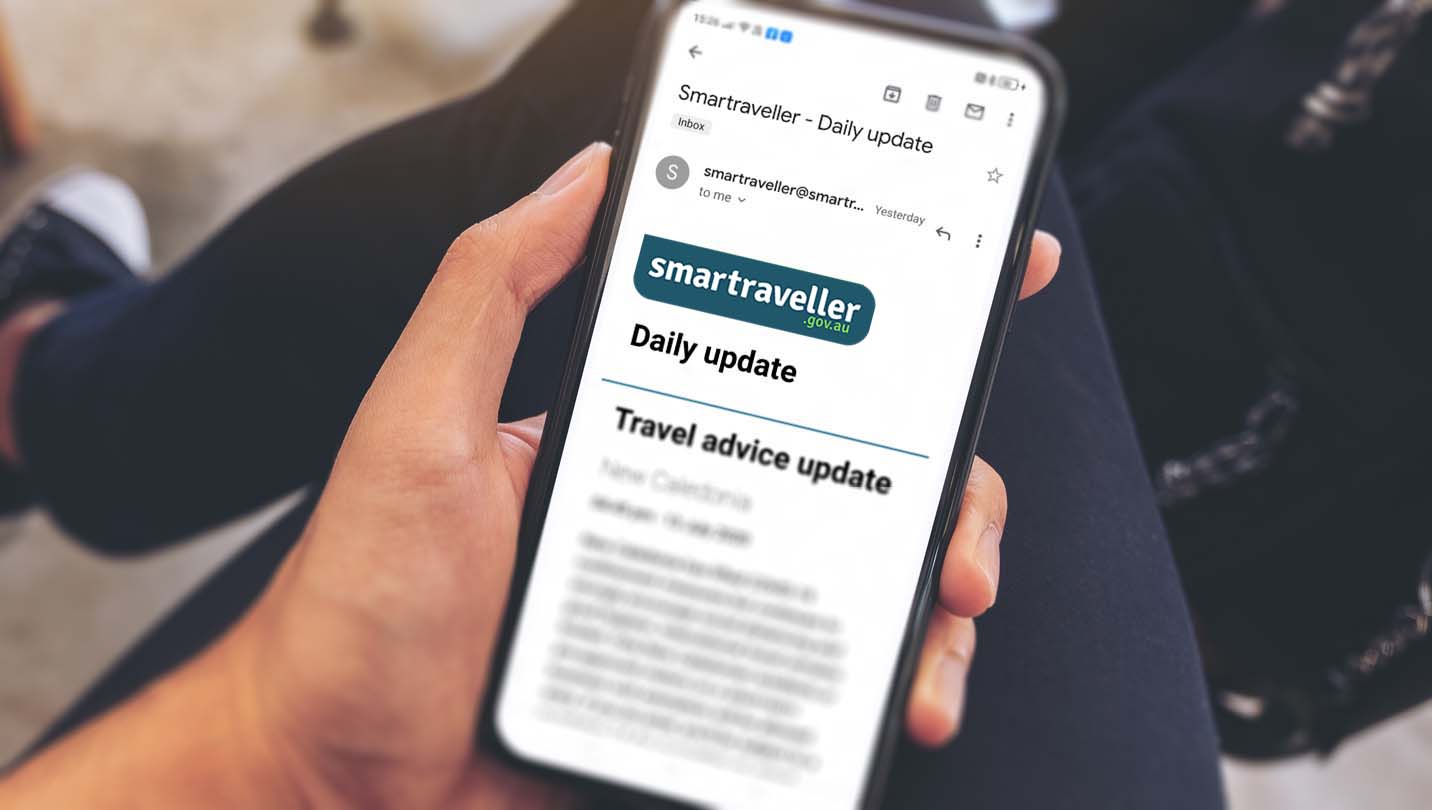
Be the first to know official government advice when travelling.